Five integrated pillars working together to transform lives, restore land, and build lasting dignity across the communities of Baragoi and Samburu County.
Samburu pastoralist households face persistent income insecurity driven by recurrent drought, livestock losses, and limited access to markets.
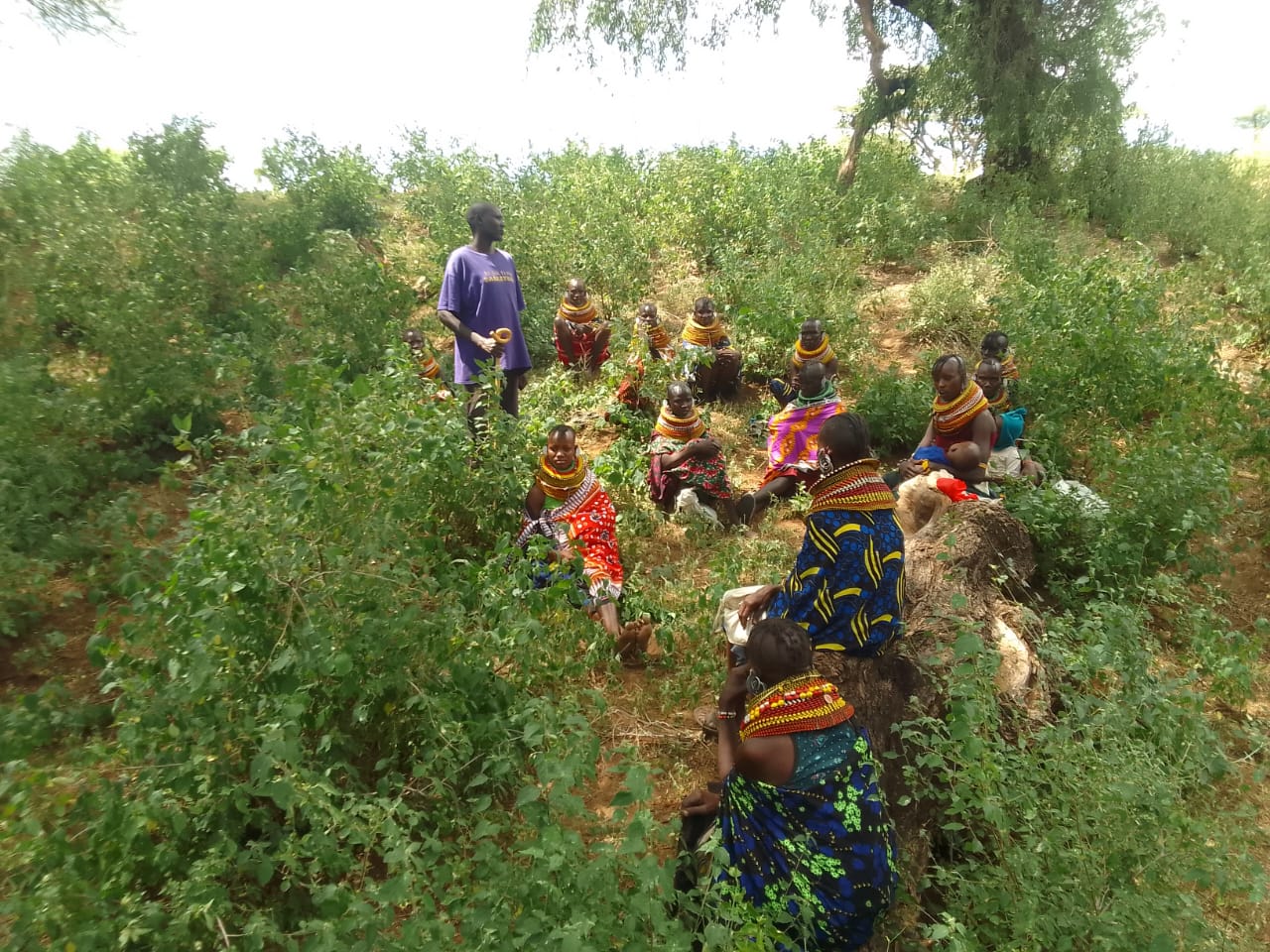
Our Livelihoods & Enterprise Programme strengthens diversified and climate-resilient livelihoods, with a focus on women and youth, enabling households to better withstand economic shocks without resorting to distress coping strategies such as selling productive assets or withdrawing children from school.
Rather than introducing external solutions, we work with communities to co-design locally appropriate interventions that reflect the realities of a semi-arid pastoral landscape.
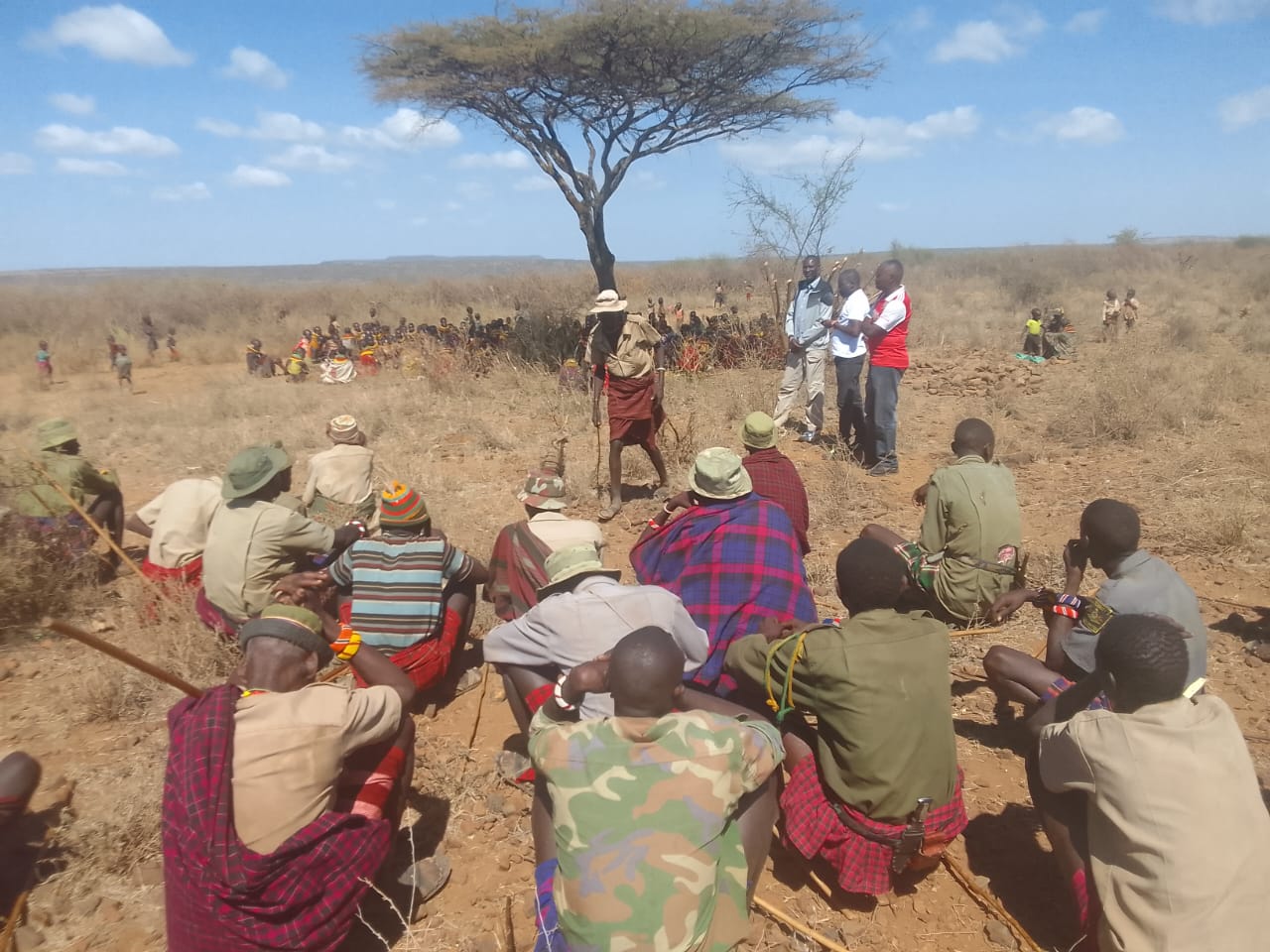
Samburu North Sub-County — centred on Baragoi town — is one of Kenya's most complex governance environments. Three pastoral communities (Samburu, Turkana, and Rendille) share overlapping range territory, seasonal water points, and migration corridors, creating persistent resource competition that has historically erupted into violent conflict.
At the same time, devolution has transferred significant resources and decision-making power to the county level — but many communities lack the civic knowledge and structures to meaningfully engage with these processes. Women are largely excluded from formal leadership across both customary and devolved structures.
We build the connective tissue — supporting communities to engage with county structures, resolve conflict peacefully, and hold leaders accountable.
Support This Programme
Baragoi and the surrounding lowlands receive less than 400mm of rain annually — making water access the single greatest driver of household vulnerability. Women and girls in Samburu can walk 4–6 hours daily just to collect water, consuming time that could go to school, enterprise, and family care.
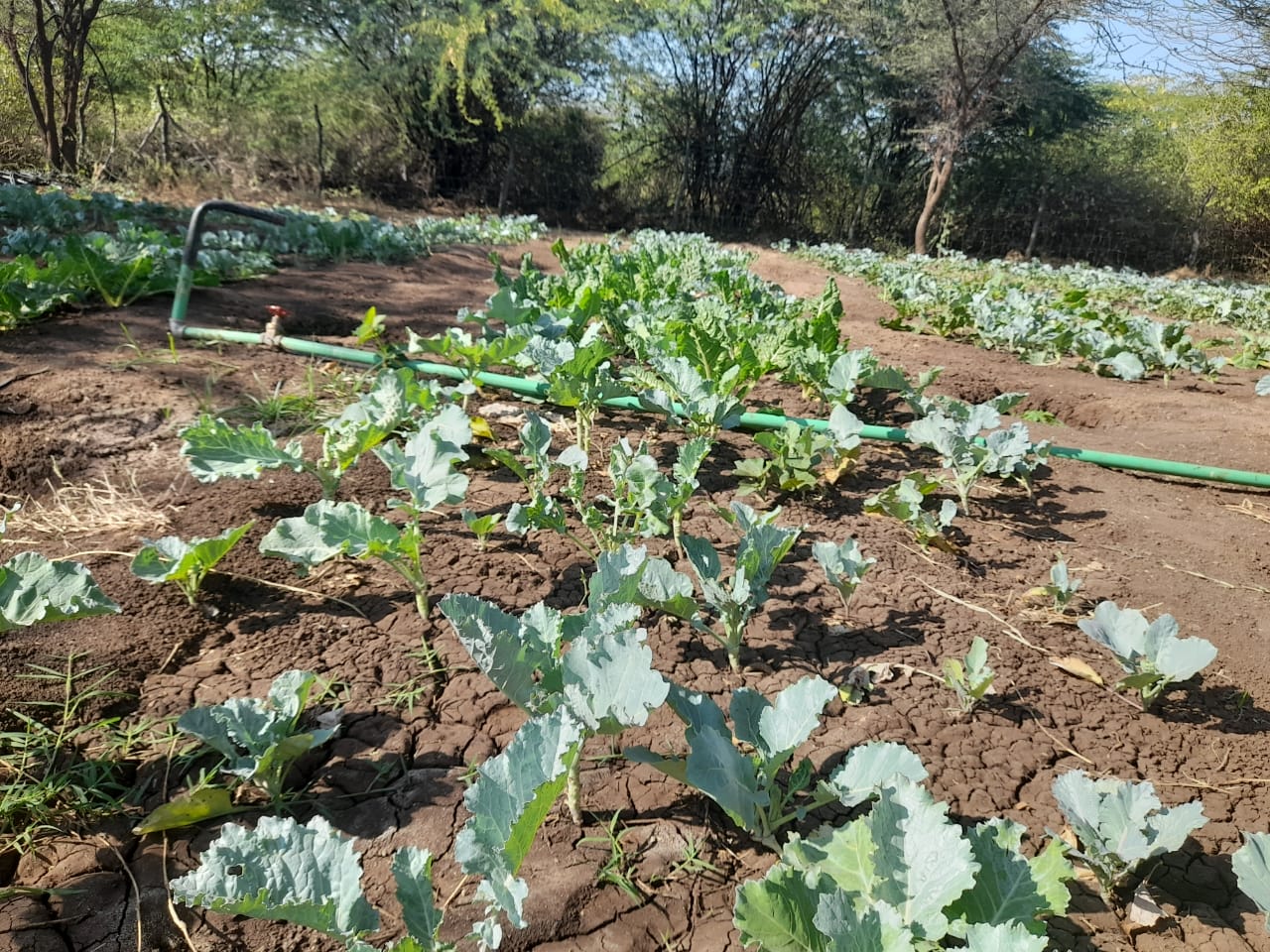
Our Food & Water Security programme combines hard infrastructure (boreholes, sand dams, solar pumps) with community management structures, nutritional support, and drought-tolerant food production to ensure no community member goes without — even in the driest years.
All water infrastructure is handed over to trained, legally-registered Water User Committees, ensuring communities own and manage their own resources long after our support ends.
Support This Programme
Samburu County has among the lowest school completion rates in Kenya. Nomadic lifestyles, early marriage, the pull of cattle-herding, and poverty-driven early school dropout leave thousands of young people — especially girls — without education each year.
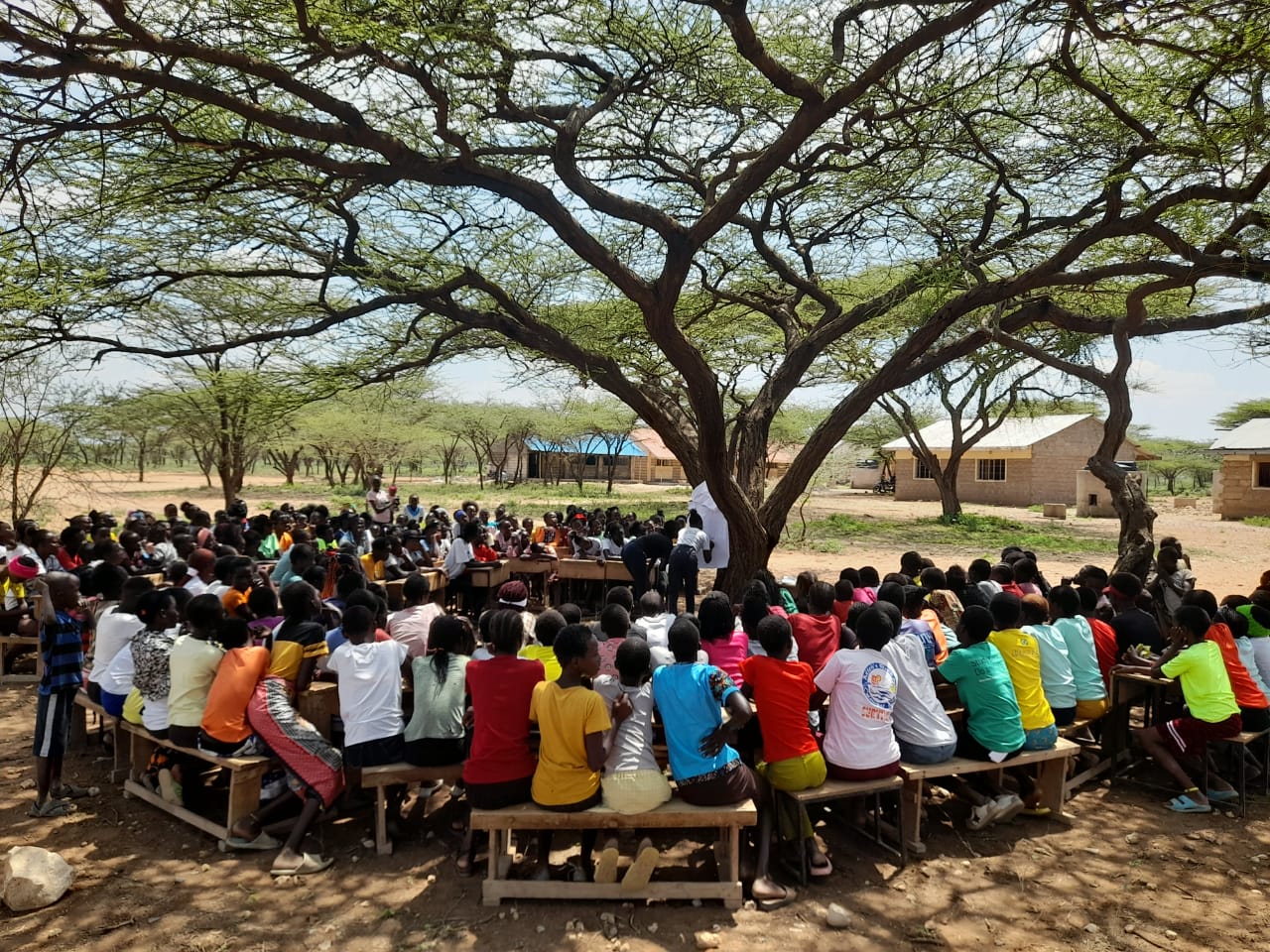
Our Youth & Education programme attacks these root causes head-on. We combine conditional bursary support with alternative learning pathways, mentorship, and vocational skills — creating multiple routes for young people to build their futures, even when the conventional path has been blocked.
We work with families, elders, and teachers — not against them — to make education the most desirable and culturally valued choice for every Samburu child.
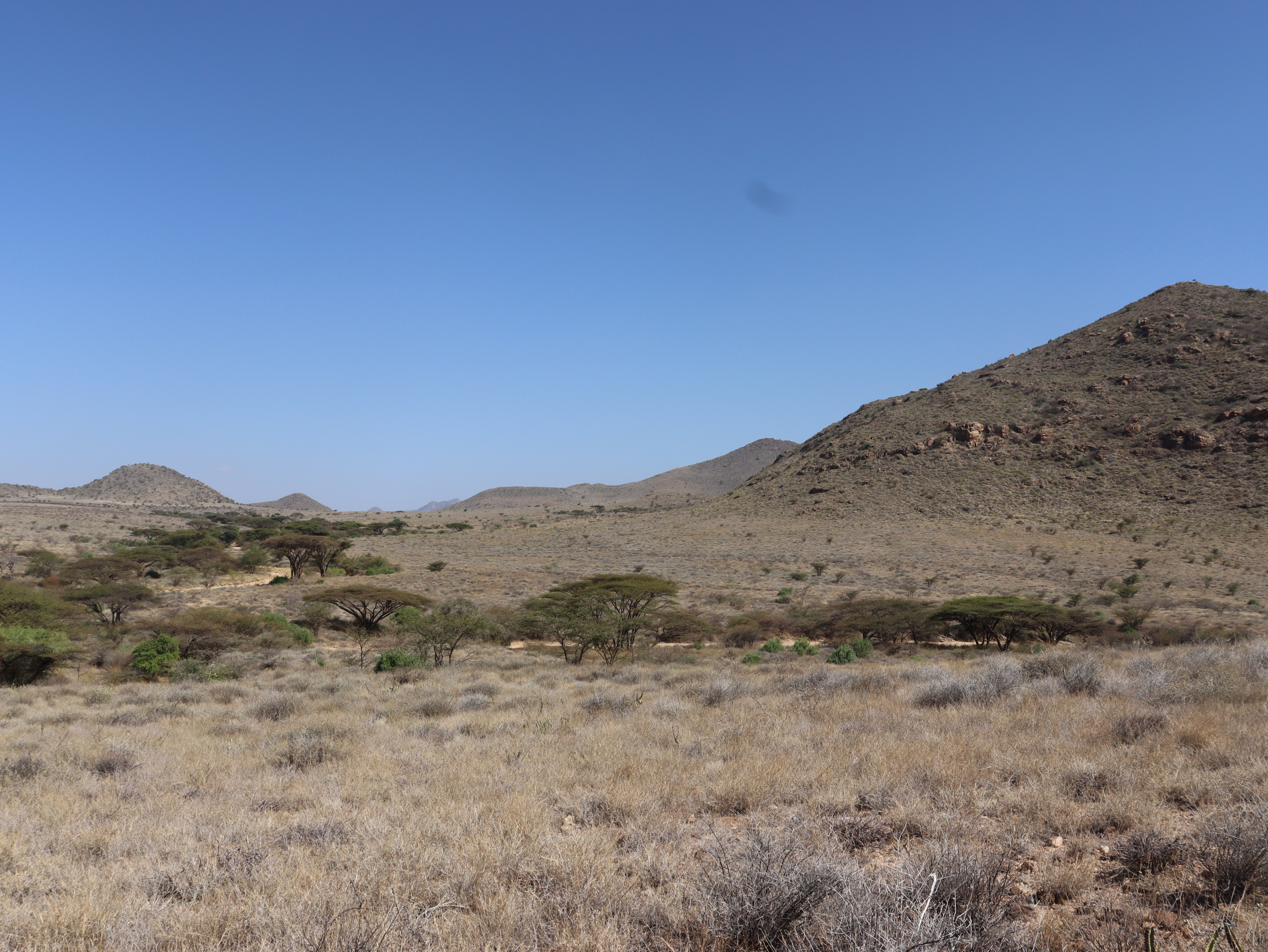
Support This ProgrammeDecades of overgrazing, charcoal production, and erratic rainfall have degraded vast tracts of rangeland across Samburu County. The degradation is not just an environmental crisis — it is a livelihood crisis, because pastoralist families depend directly on the productivity of the land for their survival.
Our Environment & Rangelands programme restores ecosystems, secures community land rights, introduces climate-smart grazing practices, and builds long-term community stewardship of Samburu's natural resources.
We work with the Samburu and Turkana communities not as beneficiaries but as the primary custodians of their land because lasting restoration only happens when communities lead it.
Support This Programme